
Blog


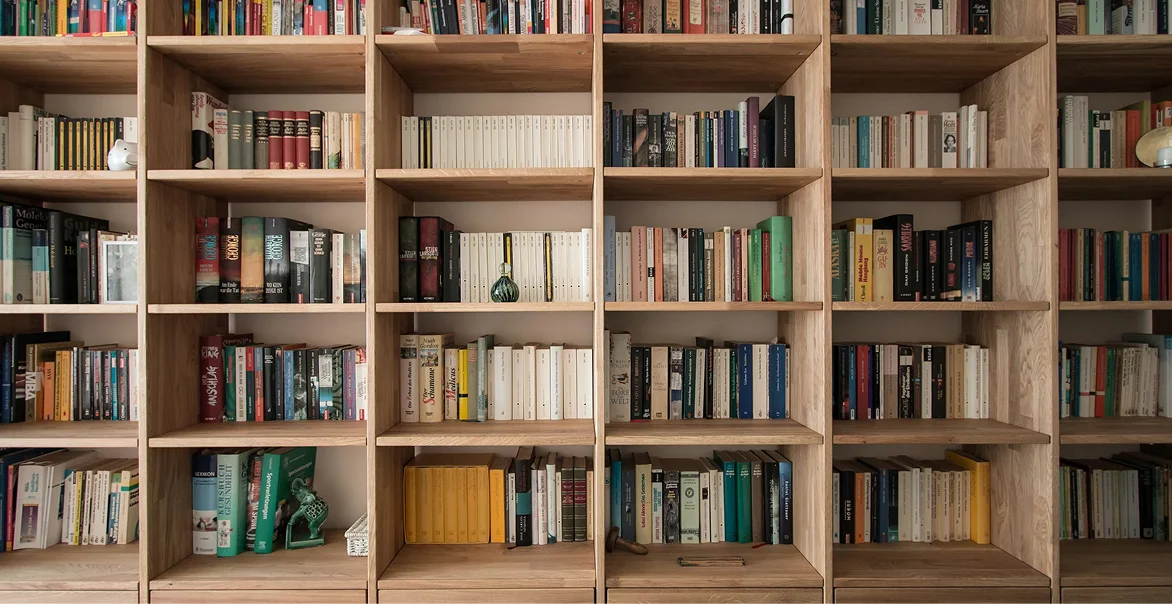
For many, a home library is more than just a collection of books; it’s a reflection of their intellectual journey, a sanctuary for quiet contemplation, and a testament to the power of the written word. Curating such a space is an art form, a thoughtful process that goes beyond simply acquiring volumes. It involves intentional selection, artful arrangement, and a deep understanding of how books can enrich both your mind and your home’s aesthetic.
Our Story
Before you even think about shelving, consider what you want your library to be. Is it a cozy reading nook, a grand display, a functional research hub, or a place for conversation?
- Aesthetic vs. Function: Do you prioritize visual appeal or easy access to specific genres?
- Mood and Ambiance: What feeling do you want your library to evoke? Warm and inviting? Modern and minimalist?
- Your Personal Style: Your library should be an extension of your home’s overall design.
For example, a minimalist might prefer hidden storage and a very clean look, while a maximalist might enjoy overflowing shelves and eclectic decor.
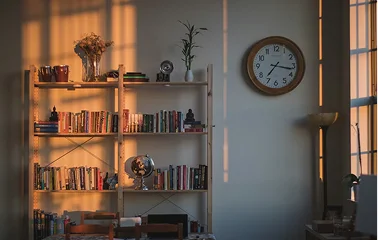
Declutter and Organize Your Current Collection
Curation starts with decluttering and organizing your literary treasures. Evaluate each book’s place in your ideal library. Identify the “keepers”—cherished volumes you love, intend to reread, or that hold sentimental value. Set aside books you won’t revisit, duplicates, or those that no longer fit your interests. Donate, sell, or gift these. For beloved but damaged books, consider repair.
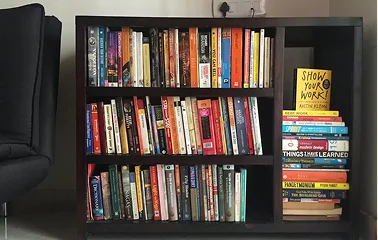
After selection, organize thoughtfully. You can blend methods to suit your style. Organizing by genre helps locate books easily. Alphabetical arrangement is great for quick reference. Organizing by color creates a vibrant display, while chronological arrangement illustrates thought progression. Experiment with these methods to find what works best.
Invest in Quality Shelving and Furniture
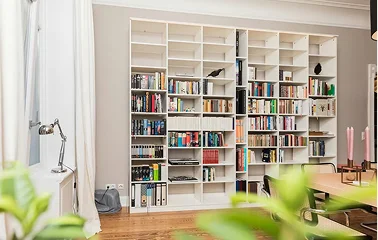
The shelving you choose forms the structural backbone of your library, providing both the necessary support and a significant portion of its aesthetic character. It is paramount to select pieces that are robust and sturdy enough to bear the considerable weight of your books, while also being visually appealing and perfectly scaled to your available space. Consider the material – traditional wood evokes warmth and classic elegance, metal offers a modern, industrial edge, or a combination might provide a unique textural contrast. The style of shelving is equally important: will you opt for the integrated, seamless look of built-in shelves, the flexibility of freestanding units, the adaptability of modular systems, or the contemporary minimalist appeal of floating shelves?
Beyond the essential shelving, thoughtfully chosen furniture transforms a mere book storage area into a true sanctuary. Comfortable seating is paramount; a plush armchair or a well-cushioned sofa invites long hours of reading and relaxation. Excellent lighting is equally crucial, with task lighting for reading and ambient lighting to create a welcoming atmosphere. A small, elegant side table for a cup of tea, a notebook, or reading glasses completes the functional necessities. Indeed, a comfortable armchair paired with a thoughtfully positioned reading lamp forms the heart of any true book lover’s haven, promising countless hours of literary escape and intellectual engagement.
Leave Room to Grow (But Not Too Much)
A curated library is a living entity, constantly evolving. Don’t fill every shelf immediately. Leave some space for new acquisitions that truly speak to you.
- Mindful Buying: Be intentional about new purchases. Ask yourself: Does this truly belong in my curated collection?
- Rotate and Refresh: Periodically reassess your collection. As your tastes evolve, so too should your library.
The goal isn’t to accumulate the most books, but to gather the right books for you. Each book should have a reason for being there.
Maintain and Cherish Your Collection
Once your library is curated, take steps to preserve it.
- Dust Regularly: Books can be dust magnets!
- Protect from Sunlight: Direct sunlight can fade covers and damage pages.
- Control Humidity: Excessive humidity can lead to mold; too little can make pages brittle.
- Handle with Care: Especially rare or delicate volumes.
A home library is a journey, not a destination. It’s an ongoing conversation between you and your books, a space that nurtures your mind and reflects your soul. Take your time, enjoy the process, and create a library that truly feels like home.