



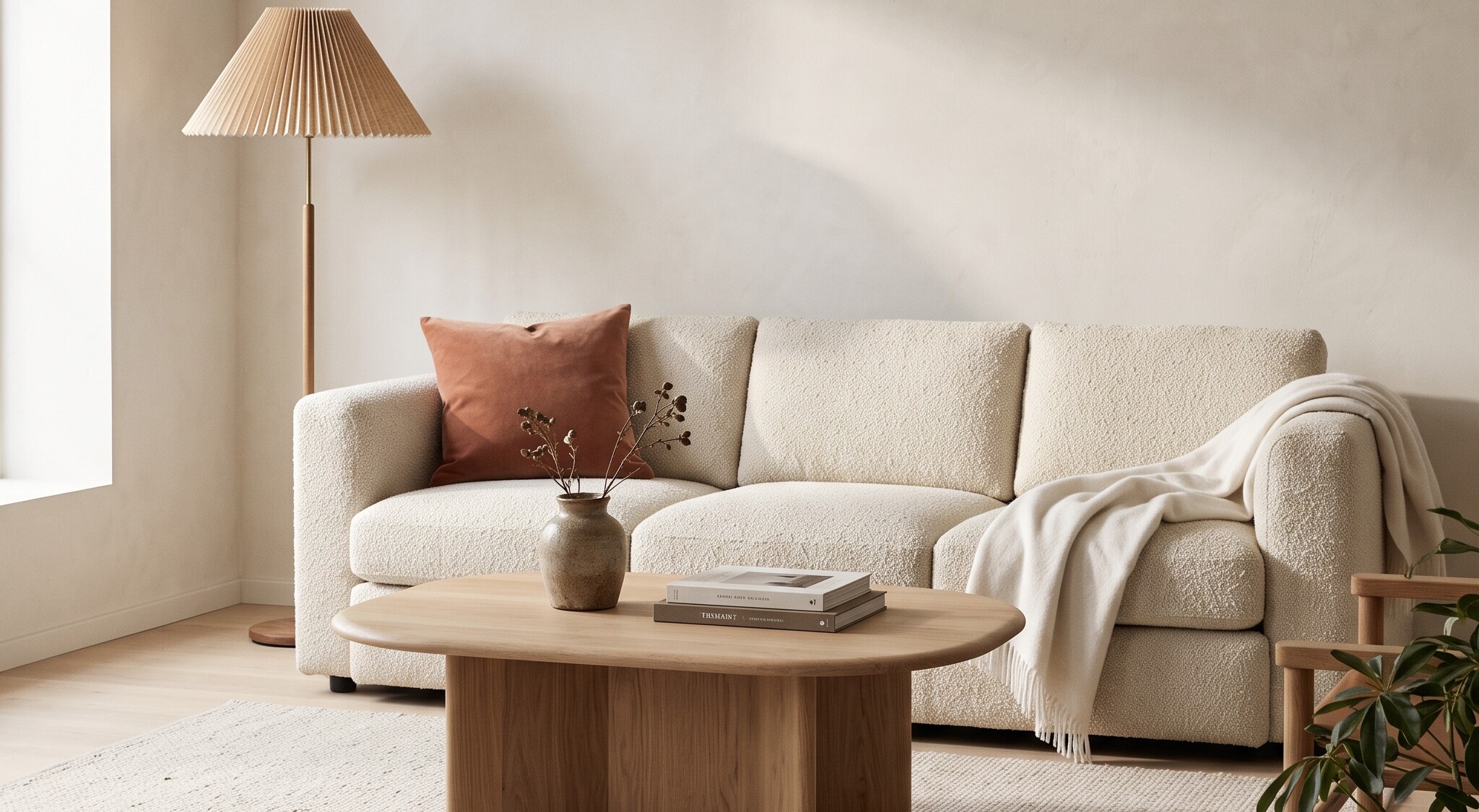
A sofa that looks perfect in the showroom can feel wrong at home in a week. Most of the time the reason is depth: how far the seat goes back decides whether you sit upright, curl up or sink in.
Measure the person, not the room
Sit on a dining chair with your back straight and measure from the back of your knee to the wall behind you. Add 10–15 cm for cushions — that is the seat depth that will feel natural. Taller people usually prefer 60 cm and more; shorter people often find anything over 55 cm too deep without extra cushions.
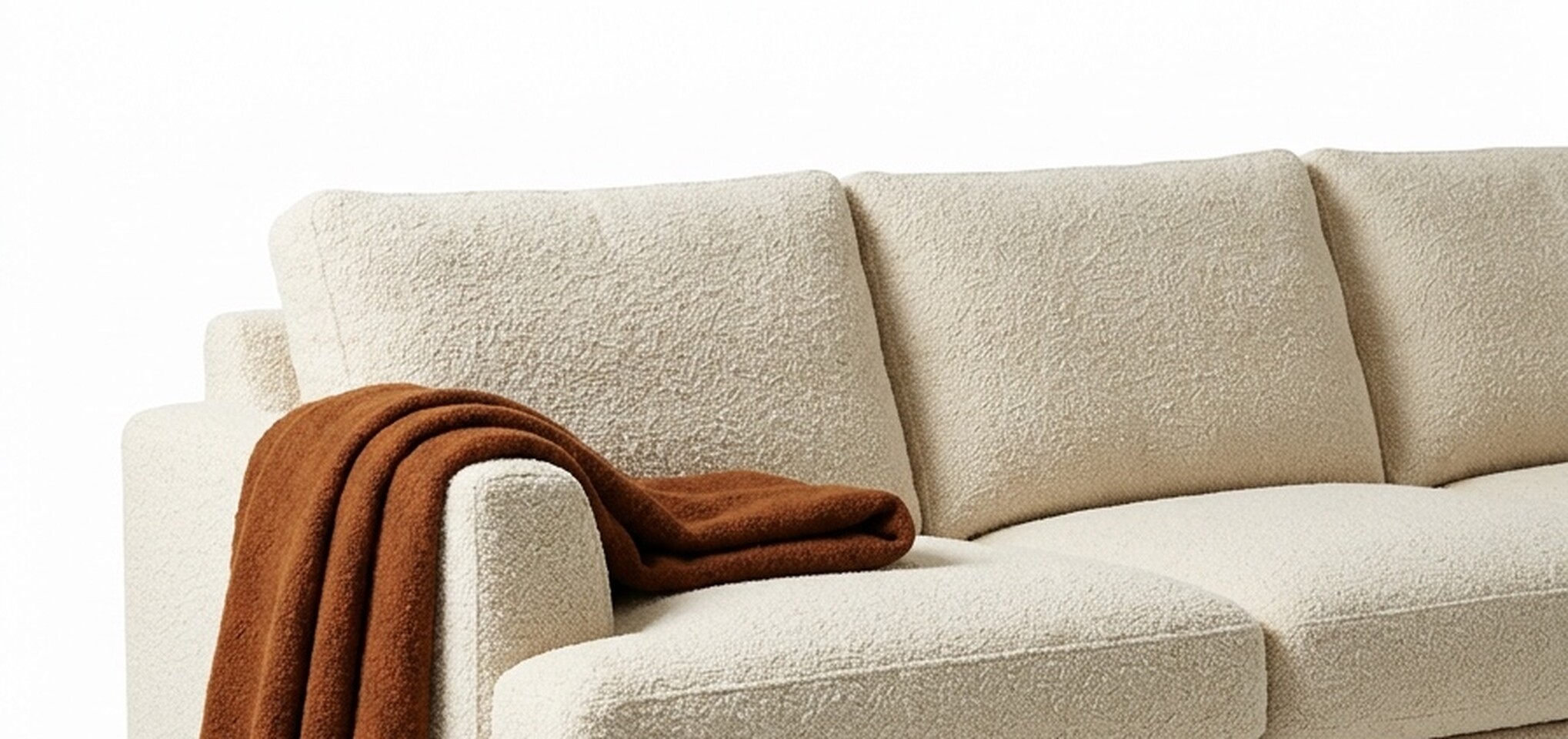
Three depths, three ways to sit
Compact, 80–88 cm overall: upright and tidy, good for small living rooms and reading. Classic, 90–95 cm: the everyday sweet spot for most homes. Lounge, 100 cm and more: for curling up, napping and movie nights — but it needs a room at least 4 m wide.
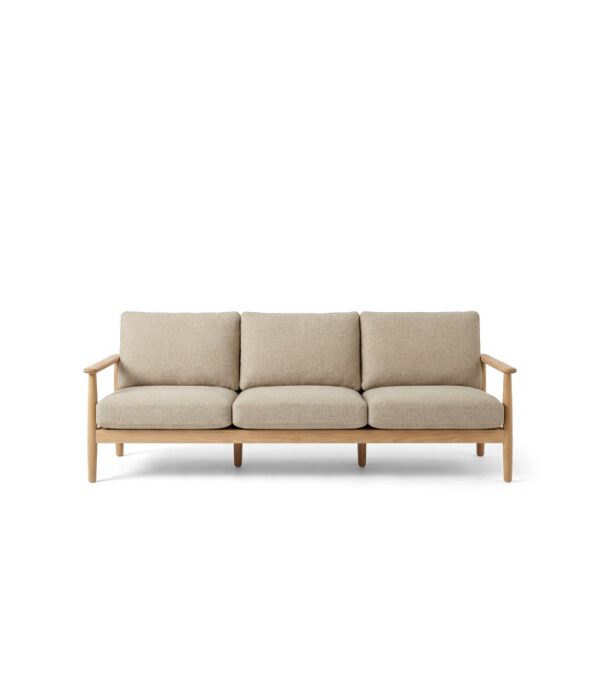
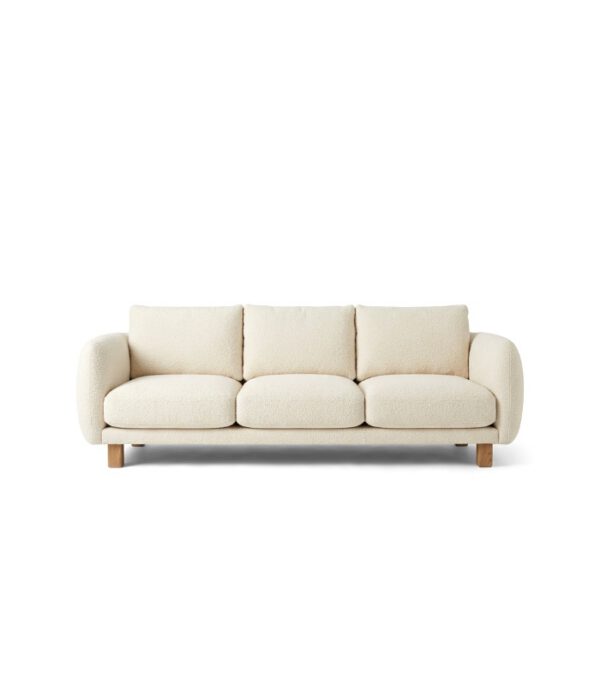
Sofas from this guide
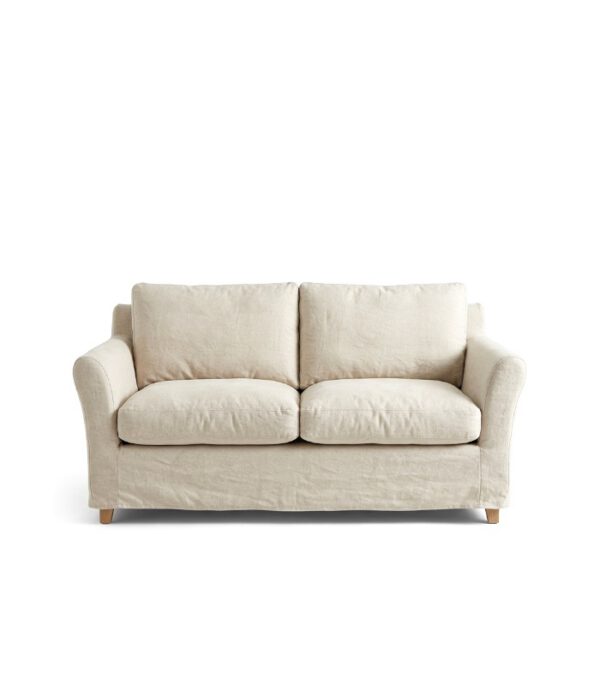
Test it before you buy
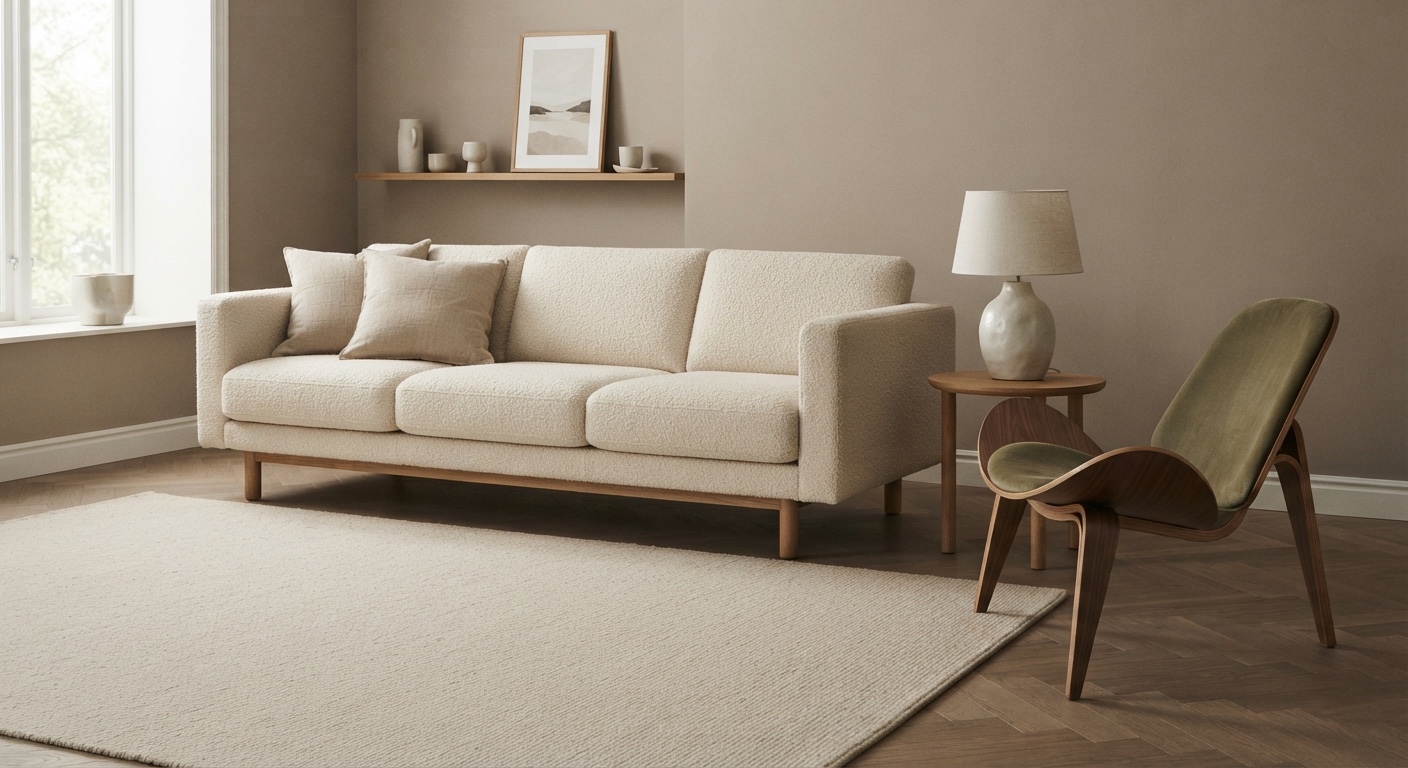
Numbers help, but nothing beats ten minutes on the real thing. Bring your partner, take off your shoes and try it the way you actually sit at home. Every sofa in our North Loop showroom has removable cushions, so you can feel what a few centimetres change — and the 100-night trial covers you if it still feels wrong.
Share:



4 thoughts on “How deep should your sofa be?”
Did the knee-to-wall test last night: 56 cm. That finally explains why I never liked our old lounge sofa. Going with the classic depth this time.
That is exactly what the test is for, Clara. With 56 cm plus cushions, a sofa around 92 cm deep should feel just right — come and sit on a few at the studio before you decide.
I am 190 cm and my wife is 162. Is there a depth that works for both of us, or are we always going to compromise?
Go for the deeper seat and keep a firm lumbar cushion for the shorter sitter. It is much easier to add a cushion than to live with a sofa that is too shallow for the taller one.